Stage 6 - Water Management/Introduced Species
Earth and Environmental Science

Program Overview
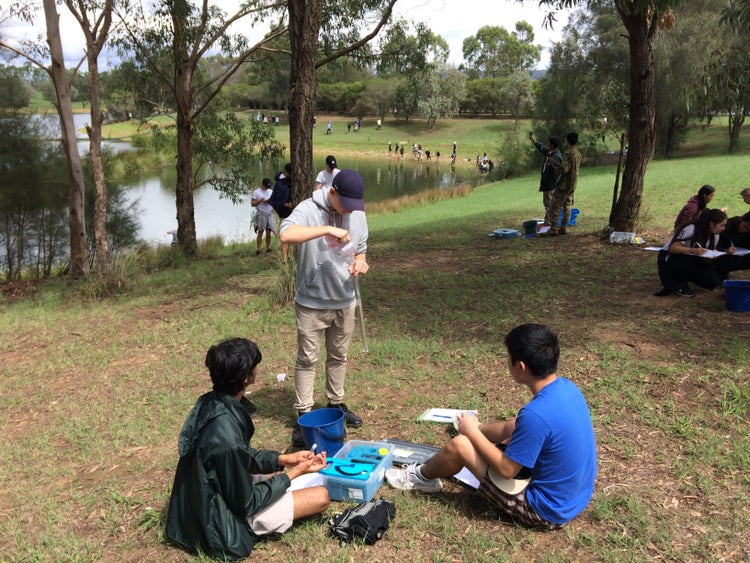
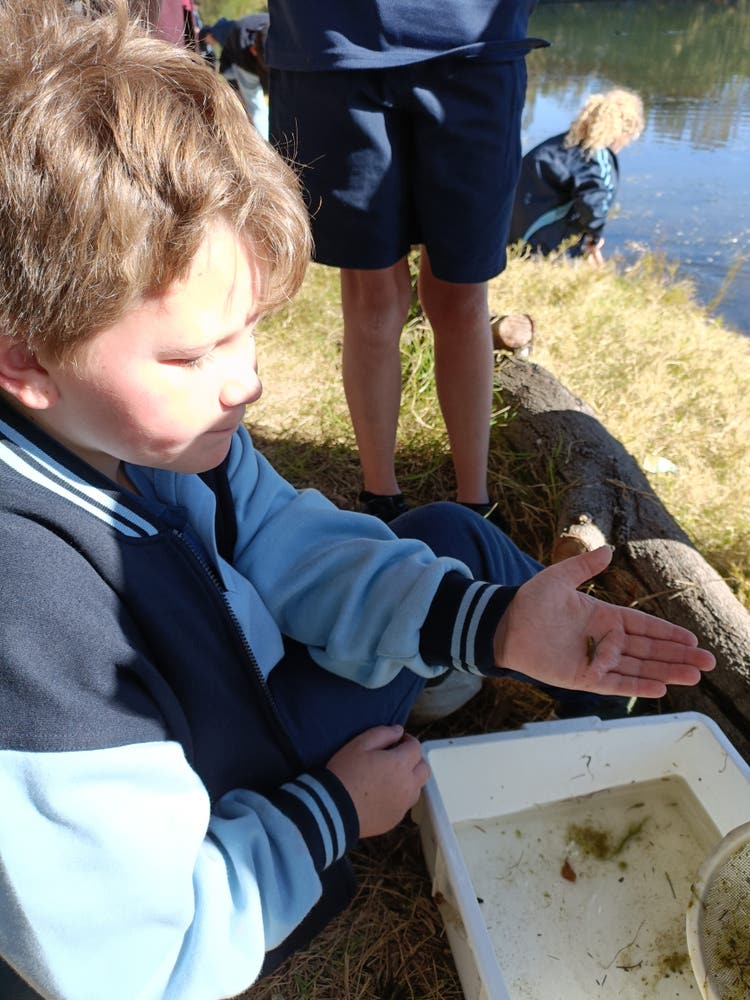
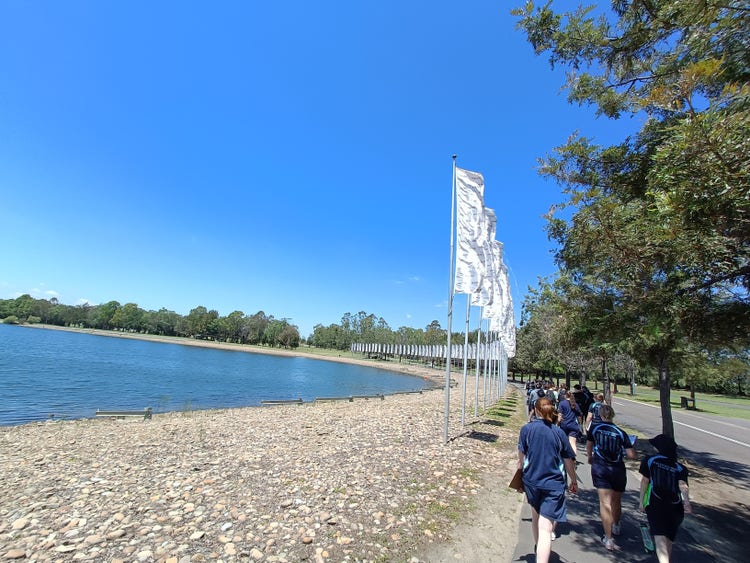
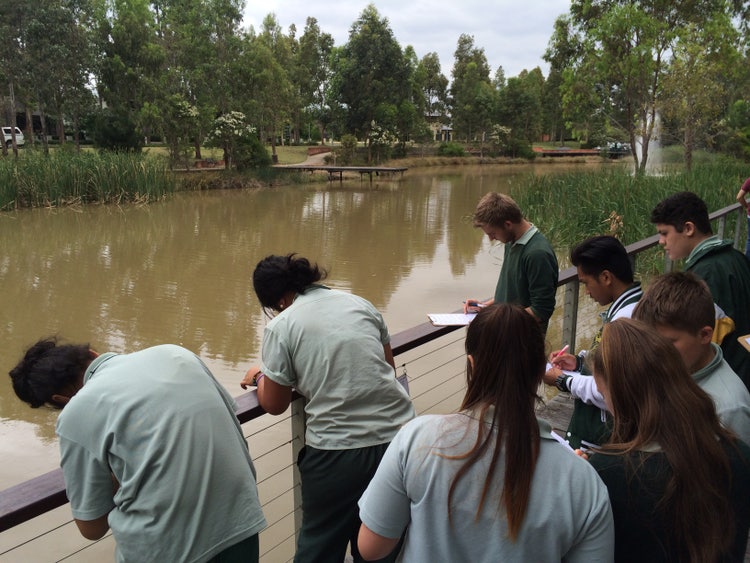
This unique and highly engaging program allows students to perform a first-hand investigation of the movement of storm water from the urban and industrial catchment to recreational water use at Penrith Lakes. Students perform primary data testing that gives an insight into the success of water management practices at Penrith Lakes. Secondary data on the flow of water throughout the catchment is also described, with adequate opportunity for further research. Ways in which human activity can indirectly influence the availability and quality of water are also highlighted. Students will also conduct an aquatic macro invertebrate / vertebrate survey to ascertain the presence and impact of an introduced species, Gambusia, which has contributed to the decline / extinction of an Australian native species, the Green and Golden Bell Frog.
Students are guaranteed to be involved in a number of engaging and hands on experiences during the course of the day. Through these, students will further develop their knowledge and understanding, fieldwork and group work skills.
Focus
Earth and Environmental Science Focus Area
Stage 6: Human Impacts - Water Management and Introduced Species
Note: This excursion can also be used as a model for a DEPTH STUDY.
Program Activities
Key Syllabus Outcomes
From:earth-and-environmental-science-stage-6-syllabus-2017
- EES 11/12-1 develops and evaluates questions and hypotheses for scientific investigation
- EES 11/12-2 designs and evaluates investigations in order to obtain primary and secondary data and information
- EES 11/12-3 conducts investigations to collect valid and reliable primary and secondary data and information
- EES 11/11 describes human impact on the Earth in relation to hydrological processes, geological processes and biological changes
Key Content
Introduced Species
How do introduced species affect the Australian environment and ecosystems?
- outline the biotic and abiotic effects of introduced species
- conduct an investigation into a local introduced species, including:
- reason for introducing the species
- biotic and abiotic effects of the species
- area affected by the species
- human impacts that favour the introduced species
- control or mitigation methods
- economic impact of the species
- different views about the value of and/or harm caused by the introduced species, including the views of Aboriginal and Torres Strait Islander Peoples - analyse ways in which human activity can upset the balance of ecosystems and favour introduced species
- describe ways in which introduced species contribute to the decline or extinction of native Australian species
Water Management
How can water be managed for use by humans and ecosystems?
-
investigate the treatment and potential reuse of different types of water, including but not limited to:
- industrial wastewater
- stormwater
-
Describe ways in which human activity can influence the availability and quality of water both directly (eg over-extraction) or indirectly (eg algal blooms)