Stage 4 - Living Systems
Science
Program Overview
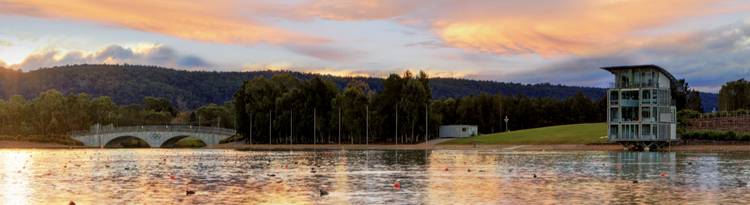
This unique and highly engaging program allows students to perform a first-hand investigation of a freshwater ecosystem using various scientific equipment and data collection methods to:
- identify a range of plants and animals that exist in Penrith Lakes and learn about some of their adaptations for survival;
- construct and interpret food chains and food webs using the organisms found;
- describe some of the interactions between freshwater aquatic organisms in food chains and food webs, including producers, consumers and decomposers.
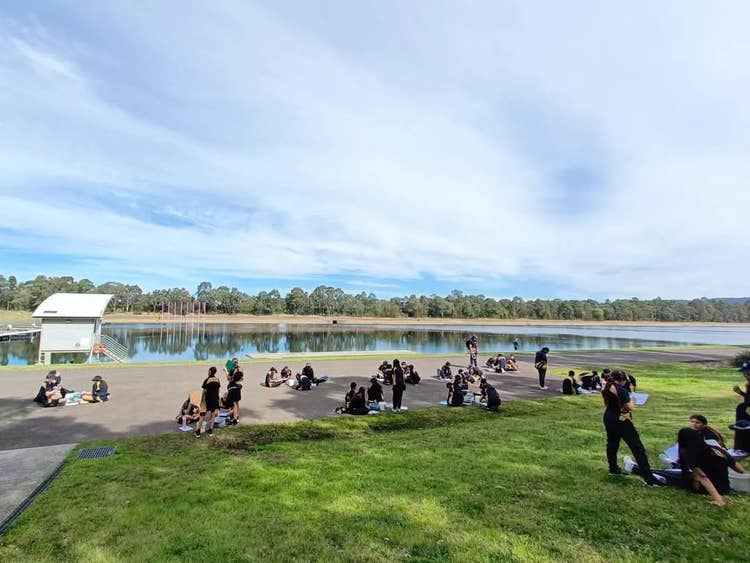
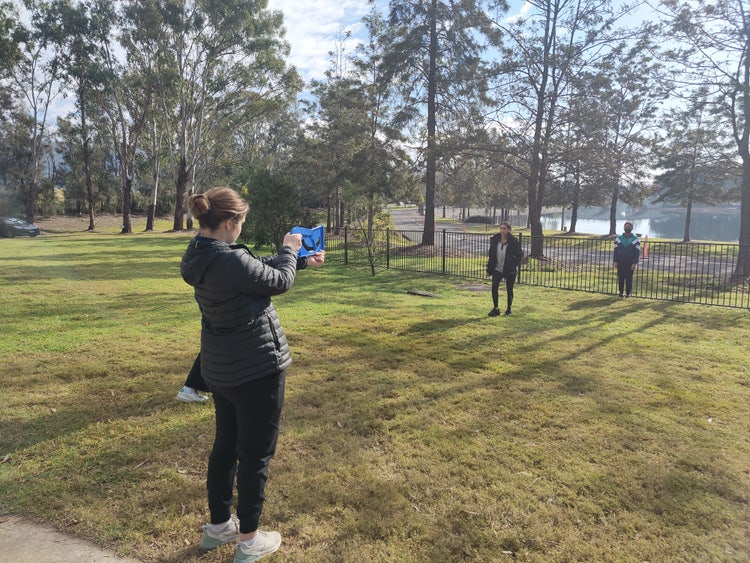
Students are guaranteed to be involved in a number of engaging and hands-on experiences during the course of the day. Through these students will further develop their knowledge and understanding, field work and group work skills.
Focus
Science Focus Area
Stage 4: Living Systems
Sub-strands - Ecosystems
Note: This excursion can also be used as a model for a DEPTH STUDY.

Program Activities
Key Syllabus Outcomes
- SC4-LIV-01 describes the role, structure and function of a range of living systems and their components
-
SC4-WS-01 Working scientifically Observing uses scientific tools and instruments for observations
-
SC4-WS-02 Working scientifically Questioning and predicting identifies questions and makes predictions to guide scientific investigations
-
SC4-WS-04 Working scientifically Conducting investigations follows a planned procedure to undertake safe and valid investigations
-
SC4-WS-05 Working scientifically Processing data and information uses a variety of ways to process and represent data
-
SC4-WS-06 Working scientifically Analysing data and information uses data to identify trends, patterns and relationships, and draw conclusions
-
SC4-WS-08 Working scientifically Communicating (Post excursion visit activity in the classroom) communicates scientific concepts and ideas using a range of communication forms
Key Content
- Identify the components that make up an ecosystem
- Investigate the interactions of biotic and abiotic factors in an ecosystem
- Identify how matter and energy are cycled through an ecosystem
- Create a food web and ecological energy pyramid based on local area observations to describe how matter and energy move through an ecosystem
- Examine secondary-source data on the factors that change populations, including the introduction of a new species to an ecosystem, to identify trends, patterns and relationships, and draw conclusions
- Investigate factors that lead to a species becoming endangered or extinct to explain why Australia has some of the world’s highest rates of species population decline and extinction