Stage 6 - Investigating Science (Cause & Effect)
Science
Program Overview
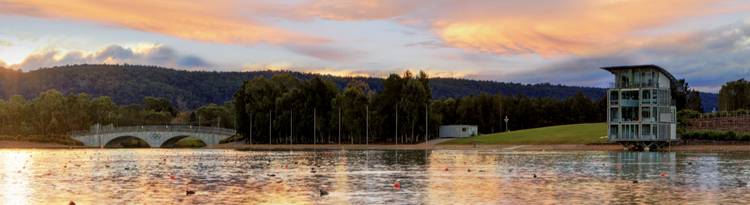
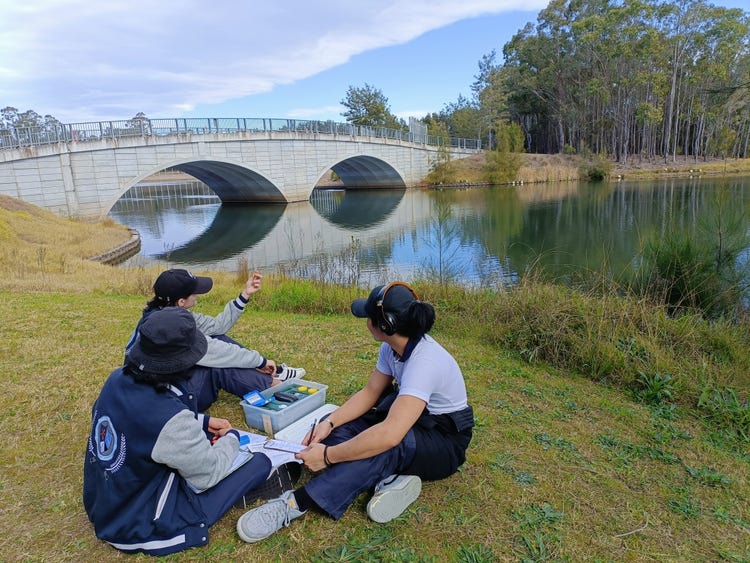
This unique and highly engaging program allows students to perform a first-hand investigation to measure a range of abiotic and biotic factors in a freshwater ecosystem using various scientific equipment and data collection methods. Students measure populations of organisms using sampling techniques. Students then analyse the data collected and observe the abiotic-biotic relationships that exist and their interdependence. An example of a recent local extinction event through predation is explained. There is also a look at past and future ecosystems at Penrith Lakes.
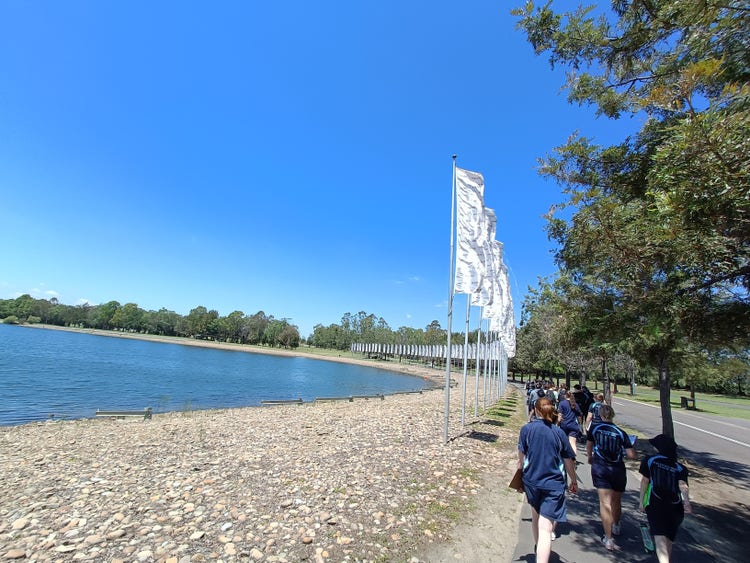
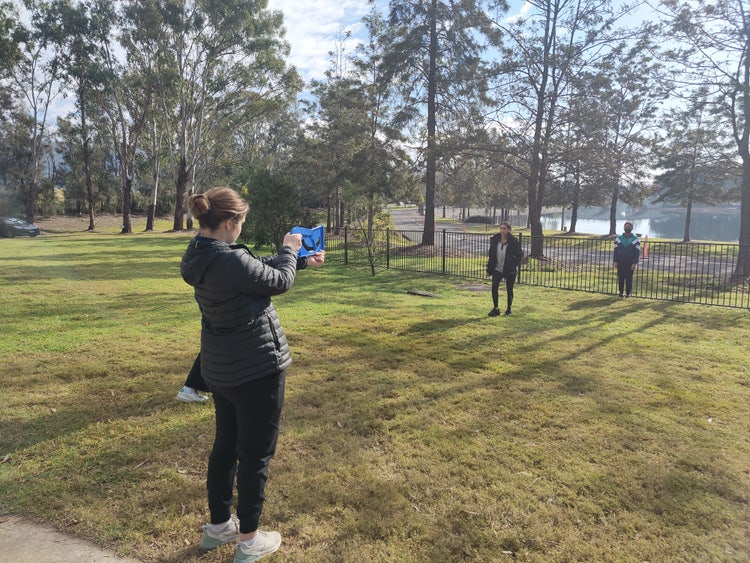
Students are guaranteed to be involved in a number of engaging and hands on experiences during the course of the day. Through these students will further develop their knowledge and understanding, fieldwork and group work skills.
Focus
Science Focus Area
Stage 6: 'Cause and Effect' - Inferences and Generalisations
Note:
- This excursion can also be used as a model for a DEPTH STUDY.
- This program can be combined with the Biology (Ecosystem Dynamics) Program.

Program Activities
Key Syllabus Outcomes
From: investigating-science-stage-6-syllabus-2017
- INS 11/12-1 develops and evaluates questions and hypotheses for scientific investigation
- INS11/12-2 designs and evaluates investigations in order to obtain primary and secondary data and information
- INS11/12-4 selects and processes appropriate qualitative and quantitative data and information using a range of appropriate media
- INS11-9 examines the use of inferences and generalisations in scientific investigations.
Key Content
- Conduct a collaborative practical investigation and collect a range of qualitative and quantitative primary data from water quality of a lake
- Make inferences and conclusions derived from the primary data collected in this collaborative practical investigation