Stage 5 - Environmental Change and Management
Geography

Program Overview
This unique and highly engaging fieldwork program allows students to investigate first-hand how humans have caused environmental change in the Penrith Lakes Area. Students will see the extent of change to the physical characteristics of the area caused by mining. Students then undertake a primary research assessment of environmental impacts of human alterations to the area. This incorporates water testing, invertebrate sampling and birdlife survey. Finally there is a real life look at management strategies that aim minimise environmental impacts now and in the future.
Students are guaranteed to be involved in a number of engaging and ‘hands on’ experiences during the course of the day through which students will further develop their geography inquiry, field work and group work skills. Students will be thinking and working geographically, using geographic concepts and tools.
Focus
Geography Focus Area
Stage 6: Environmental Change and Management
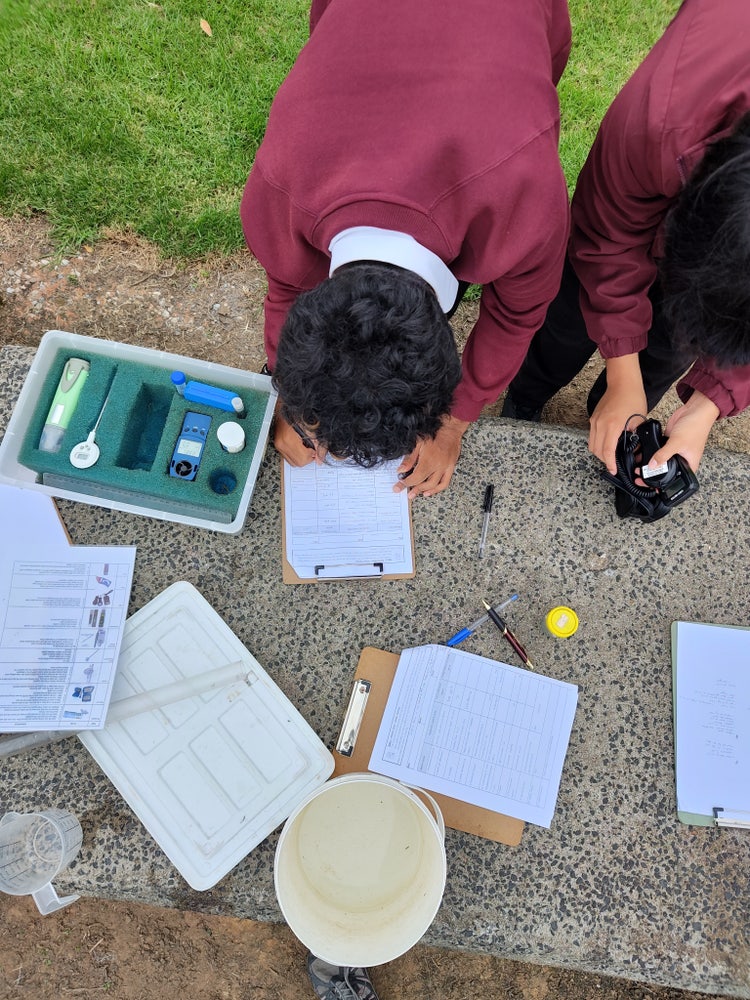


Program Activities
Key Syllabus Outcomes
- GE5 – PRI- 01 analyses the processes and interactions that change people, places and environments.
- GE5 - MAN - 01 assesses different approaches to the management and protection of places and environments for sustainability
- GE5 - TAP- 01 applies and evaluates a range of geographical tools to acquire and process geographical information
Related
Key Content
- Select and apply relevant geographical concepts
- Engage in geographical inquiry using geographical information
- Select a range of relevant geographical tools
- Human-induced environmental changes over time across a range of scales
- Consequences of environmental change
Inquiry question: How have human-induced environmental changes affected environments and people in the Penrith Lakes Area?
- Management strategies to reduce the impacts of environmental change, including prevention, mitigation and preparedness strategies
- Methods used to assess sustainability when managing environmental change
Inquiry question: Why is an understanding of biophysical processes essential for sustainable management of the Penrith Lakes environment ?