Stage 6 - Biology
Evolution and Ecosystems - Ecosystem Dynamics
Science

Program Overview
** This program schedule will be starting in 2027, in accordance with the current syllabus changes**
This unique and highly engaging program allows students to perform a first-hand investigation to measure a range of abiotic and biotic factors in a freshwater ecosystem using various scientific equipment and data collection methods. Students measure populations of organisms using sampling techniques. Students then analyse the data collected and observe the abiotic-biotic relationships that exist and their interdependence. An example of a recent local extinction event through predation is explained. Quadrat sampling techniques and aquatic / terrestrial data collection is also included.
Students are guaranteed to be involved in a number of engaging and hands-on experiences during the course of the day. Through these students will further develop their knowledge and understanding, fieldwork and group work skills.
Focus
Science Focus Area
Stage 6: Ecosystem Dynamics
Note:
- This excursion can also be used as a model for a DEPTH STUDY.
- This program can be combined with the Investigating Science (Cause and Effect) Program.
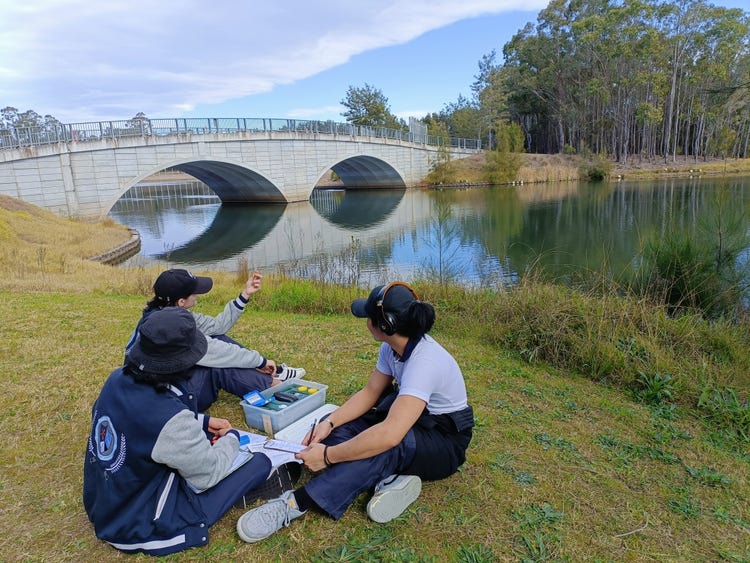

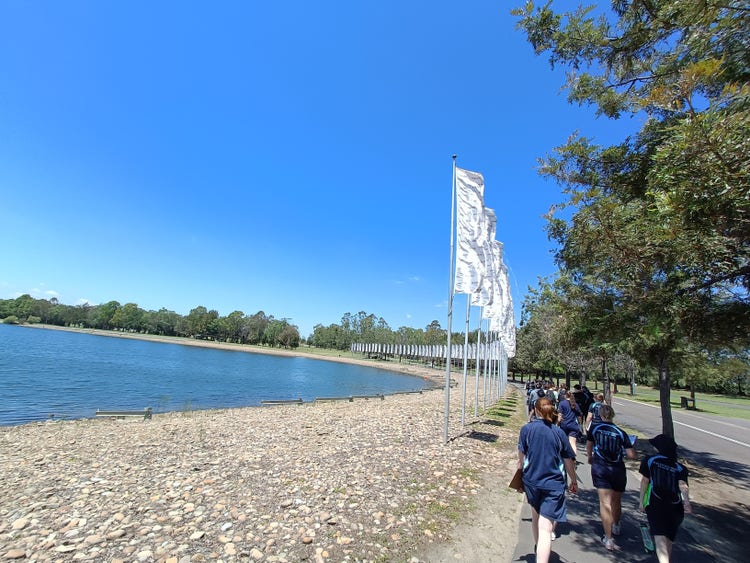
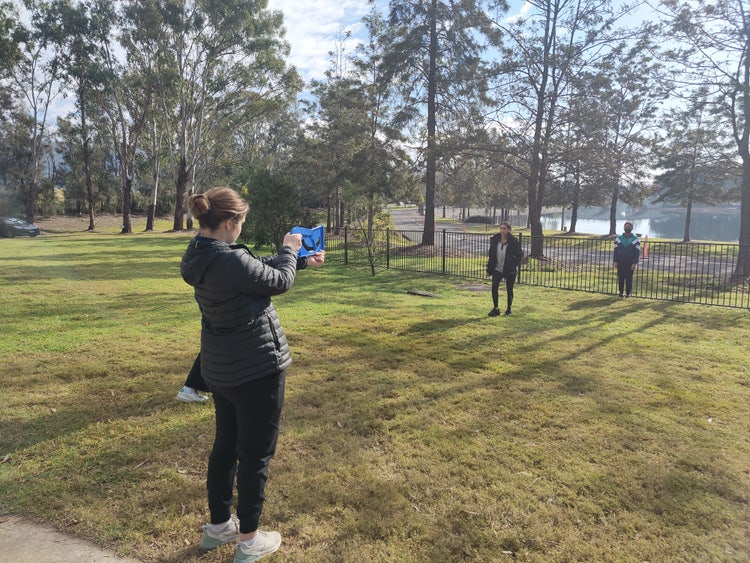
Program Activities
Key Syllabus Outcomes
-
BI-11WS-01 - Working Scientifically Questioning and predicting develops and evaluates questions and hypotheses for scientific investigations
-
BI-11WS-02- Working Scientifically Planning scientific investigations designs and evaluates scientific investigations
-
BI-11WS-03- Working Scientifically Conducting scientific investigations conducts scientific investigations to collect data and information
-
BI-11WS-04- Working Scientifically Processing data and information selects and processes qualitative and quantitative data and information
-
BI-11WS-05- Working Scientifically Analysing data and information analyses and evaluates primary and secondary data and information
-
BI-11-03 analyses the relationships between organisms and their environment using the theory of evolution by natural selection
Key Content
- Conduct a practical investigation to collect and analyse abiotic and biotic data, to discuss the features of an ecosystem
- Compare abiotic data from an aquatic and terrestrial ecosystems
- Explain how abiotic and biotic factors influence the abundance, distribution and diversity of species in an ecosystem
- Compare sampling techniques to estimate distribution and abundance of organisms
- Conduct a practical investigation to examine the distribution and abundance of aquatic plants using belt transect and quadrat sampling techniques
- Use an example to determine relationships between organisms, including predation & competition
- Explain how the carrying capacity of a selected ecosystem is affected by biotic and abiotic factors
- Evaluate the validity, reliability and accuracy of ecological sampling data when drawing conclusions about ecosystem dynamics