Stage 2 - The Great Yowie Hunt
Science/Geography
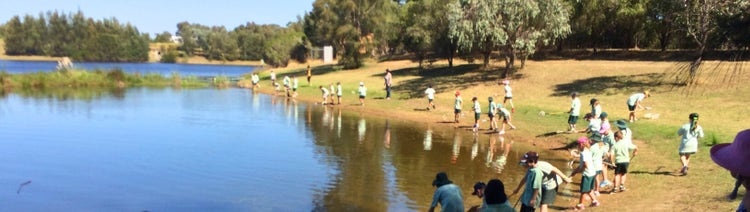
Program Overview
Students explore the natural environment and learn about science as a unique way of answering questions about the health of plants, animals and ecosystems, and the importance of this information in decision-making and problem solving.
There are a range of highly engaging hands on activities that provide students with the opportunities to develop improved visual and scientific literacy.
Focus
Geography Focus Area
Stage 2: Geographical information is used to understand the world
Sub-strand - People use geographical information to understand climates and environments
Science Focus Area
Stage 2: Physical and Living Systems depend on energy
Sub-strand - Living things depend on energy and materials to survive


Program Activities
Key Syllabus Outcomes
From Geography K-6 Syllabus (2024)
- HS2-GEO-01 explains how people care for Australia’s environments and participate in Australian society, using geographical information.
From Science and Technology K-6 Syllabus (2024)
- ST2-SC1-01 uses information to investigate the solar system and the effects of energy on living, physical and geological systems
- ST2-PQU-01 poses questions to create fair tests that investigate the effects of energy on living things and physical systems
- ST2-DAT-01 uses and interprets data to describe patterns and relationships
Key Content
- Identify and compare climate zones in Australia
- Observe and describe ways people organise places for different purposes eg observe local places
- Compare the objectives of managing places for conservation and managing places for sustainability
- Identify the systems of Earth that make up environments: air – atmosphere, land – lithosphere, water – hydrosphere, living things – biosphere
- Describe how the needs of living things are provided in the atmosphere (air & gases - oxygen) hydrosphere (water, aquatic habitats) and lithosphere (nutrient-rich soil necessary for plant growth, in terrestrial habitats.
- Observe and describe living and non-living things in a habitat.
- Describe the transfer of energy between plants and animals using food chains.